Breathing Techniques for Stamina: Your Top Questions Answered
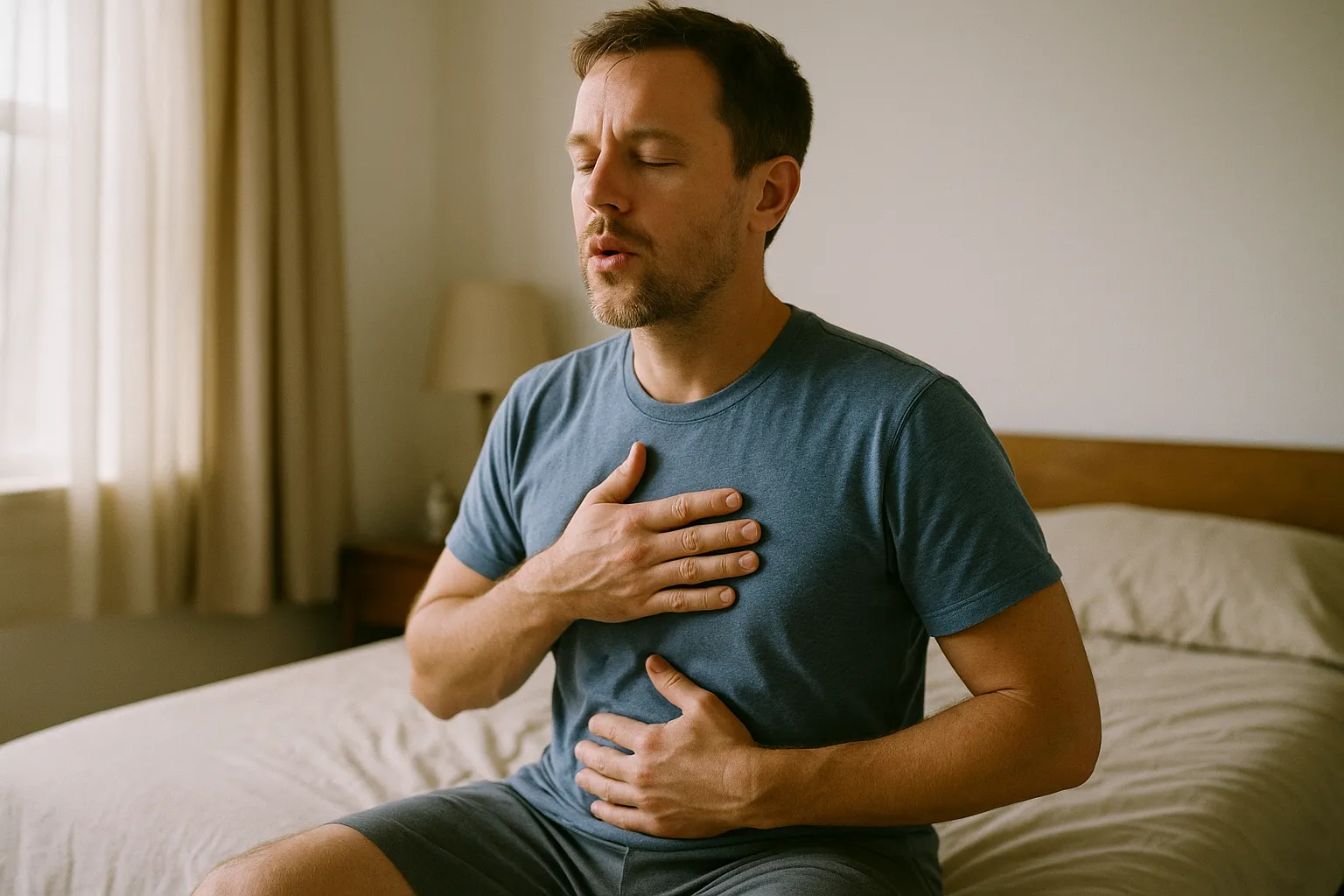
If you've ever felt winded halfway through a workout or sluggish by midafternoon, the way you breathe might be part of the story. Breathing techniques for stamina are simple, low-cost practices that may help you use oxygen more efficiently, manage effort better, and stay steadier under physical or mental strain. Below, we answer the questions men over 40 ask most often about using breath work to support endurance, energy, and everyday performance.
What Are Breathing Techniques for Stamina, Exactly?
Breathing techniques for stamina are structured patterns of inhaling and exhaling designed to improve how efficiently your body delivers oxygen to working muscles. Unlike the shallow, chest-based breathing many adults default to under stress, these techniques emphasize slower, deeper breaths that engage the diaphragm fully.
Common examples include:
- Diaphragmatic (belly) breathing — breathing deeply into the abdomen rather than the chest
- Box breathing — inhaling, holding, exhaling, and holding again for equal counts (often 4 seconds each)
- Rhythmic breathing — syncing breath patterns to steps or pedal strokes during cardio
- Nasal breathing — inhaling and exhaling through the nose during low-to-moderate effort activity
Each approach targets a slightly different goal, from calming the nervous system to improving oxygen exchange during exercise.
Can Breathing Really Affect Physical Stamina?
In a practical sense, yes — breathing patterns influence how your body manages oxygen and carbon dioxide, which affects how efficiently muscles work and how quickly fatigue sets in. Research on athletes suggests that improving breathing mechanics may support better oxygen delivery, reduce perceived exertion, and help regulate heart rate during sustained activity.
That said, breathing techniques aren't a substitute for cardiovascular conditioning. They work best as a complement to regular movement. If you're building an aerobic base, pairing breath work with a beginner-friendly cardio routine can reinforce both skills at once — steady breathing tends to improve as cardiovascular fitness improves, and vice versa.
How Do I Practice Diaphragmatic Breathing?
This is the foundation most other techniques build on. Try this simple sequence:
- Sit or lie down comfortably, one hand on your chest and one on your belly.
- Inhale slowly through your nose, letting your belly rise while your chest stays relatively still.
- Exhale slowly through pursed lips, letting your belly fall.
- Repeat for 5–10 minutes, aiming for slow, even breaths.
Practicing this daily — even outside of exercise — can help train your body to default to fuller, more efficient breaths, which may translate into better breath control when you're active.
Does Diaphragmatic Breathing Connect to Pelvic Health?
Interestingly, yes. The diaphragm and pelvic floor work together as part of your core's pressure system. When you breathe deeply, the diaphragm moves downward and the pelvic floor responds with subtle coordinated movement. Men working on pelvic floor strength often find that adding diaphragmatic breathing improves results, since the two systems are mechanically linked. If that's an area of interest, this step-by-step pelvic floor guide walks through the basics in more detail.
What's the Best Breathing Technique During Exercise?
It depends on intensity:
- Low to moderate effort (walking, light cycling): Nasal breathing in and out can help keep your pace controlled and may reduce overbreathing.
- Moderate to vigorous effort (running, strength training): Rhythmic breathing — for example, inhaling for two steps and exhaling for two steps — helps maintain consistency and can reduce side stitches.
- Heavy lifting: Exhaling during the exertion phase (the