Libido Supplements: Myth vs Fact for Men Over 40
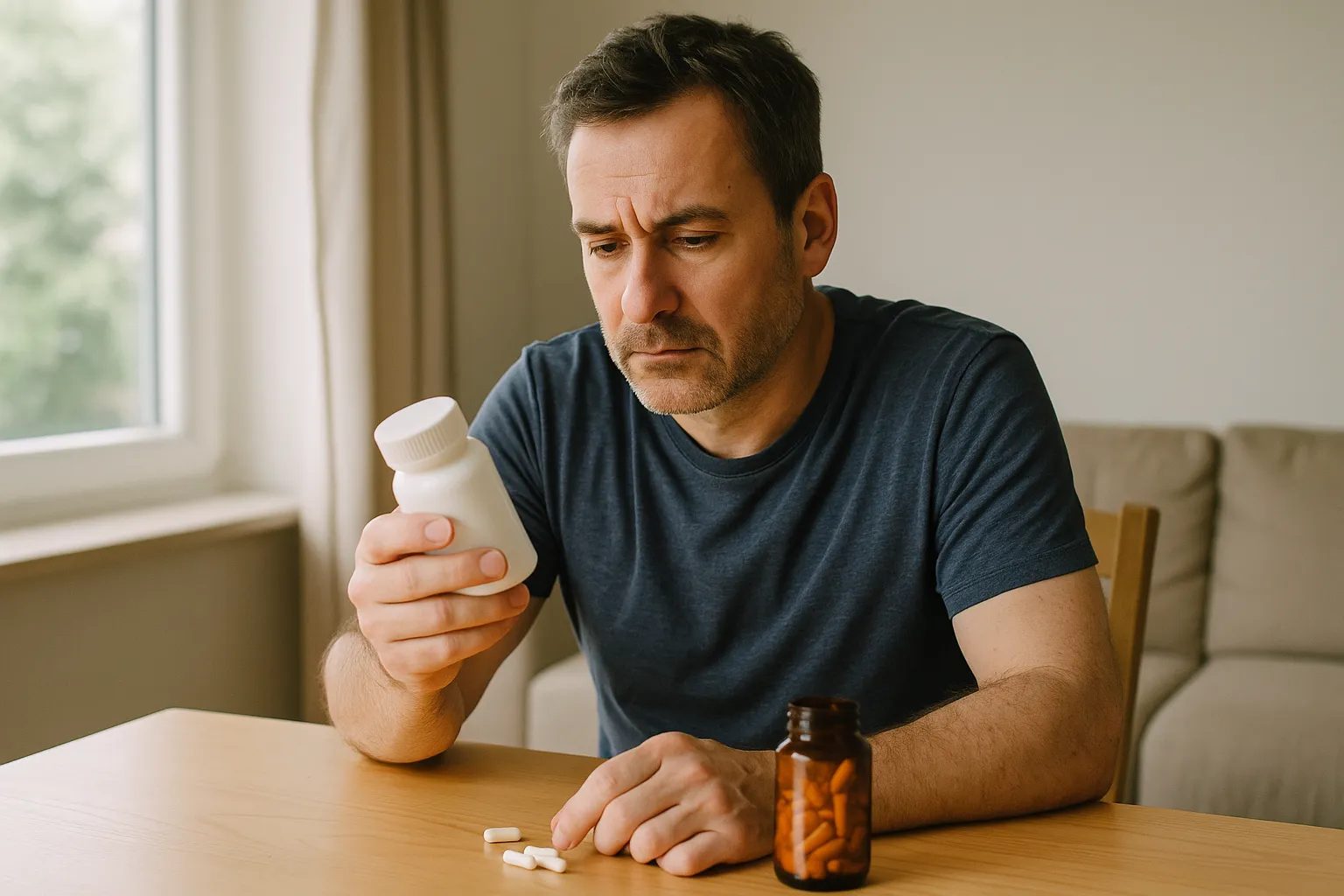
Libido supplements are everywhere—store shelves, late-night ads, social media feeds—each promising fast, dramatic results. But how much of what you hear is actually true? Understanding the real science behind libido supplements can help you make smarter choices for your energy, stamina, and overall vitality, without falling for exaggerated claims. Below, we break down the most common misconceptions and replace them with what current research actually suggests.
Myth: Libido Supplements Work Instantly
Many men expect a single dose to produce noticeable changes within hours. In reality, most nutrients and botanical compounds studied for their role in male vitality—such as certain amino acids, minerals, and adaptogenic herbs—tend to work gradually. They may support circulation, hormonal balance, or energy metabolism over weeks of consistent use, not minutes.
Fact: Meaningful changes in stamina or vitality usually reflect cumulative improvements in nutrient status, blood flow, and overall wellness rather than a one-time effect. If you're exploring natural options, it helps to understand how adaptogen herbs support male vitality as part of a longer-term approach rather than a quick fix.
Myth: All Libido Supplements Are the Same
Walk down any supplement aisle and you'll see dozens of products claiming similar benefits. It's easy to assume they're interchangeable, but the ingredient lists tell a very different story. Some formulations lean on amino acids that support circulation, others focus on minerals tied to hormone production, and some rely on herbal extracts with centuries of traditional use but limited modern research.
Fact: Ingredient quality, dosage, and how nutrients interact with your existing diet all matter. For example, zinc plays a well-documented role in testosterone regulation, and men who fall short on this mineral may notice a difference once intake is corrected. If you want a deeper look at how this mineral fits into daily nutrition, see this step-by-step guide to zinc for men.
Myth: Natural Ingredients Are Always Safe
"Natural" is one of the most overused—and misunderstood—words in the supplement world. Because an ingredient comes from a plant or occurs naturally in food doesn't mean it's automatically safe in concentrated supplement form, especially at high doses or when combined with medications.
Fact: Some herbal extracts can interact with blood pressure medication, blood thinners, or other prescriptions. Others may cause mild side effects like digestive upset or headaches when taken in excess. It's worth discussing any new supplement with a healthcare provider, particularly if you manage a chronic condition or take regular medication.
Myth: Libido Supplements Can Replace a Healthy Lifestyle
It's tempting to think a capsule can compensate for poor sleep, a sedentary routine, or a diet low in nutrients. But no supplement—no matter how well formulated—can fully counteract lifestyle factors that directly affect circulation, hormone levels, and energy.
Fact: Nutrition and supplements work best as part of a broader foundation that includes regular movement, quality sleep, and stress management. Poor circulation, for instance, is heavily influenced by physical activity and diet. Pairing supplement knowledge with practical movement, like the strategies in this low impact cardio guide for men over 40, tends to produce more consistent, sustainable results than relying on any single product.
Myth: More Supplement Is Always Better
If a little helps, more must help more—right? This assumption leads many men to exceed recommended dosages, thinking they'll speed up results. In practice, most nutrients have a threshold beyond which additional intake offers no extra benefit and may even cause harm.
Fact: Water-soluble vitamins are flushed out once you exceed your body's needs, while excess amounts of certain minerals can accumulate and cause toxicity over time. Following recommended serving sizes, and getting baseline nutrient levels checked when possible, is a far more reliable strategy than self-prescribing large doses.
Myth: Libido Concerns Are Purely Physical
Many men assume that low stamina or reduced interest is strictly a matter of blood flow or hormones, so they look exclusively toward supplements for a solution. But energy, confidence, and drive are influenced by a mix of physical and psychological factors.
Fact: Stress, sleep quality, and emotional well-being all play measurable roles in vitality. Nutritional support can complement—but not replace—attention to mental and emotional health. For a broader perspective on the psychological side of male performance, the article on confidence myths that quietly sabotage men's performance offers useful context alongside nutrition-based strategies.
FAQ: Common Questions About Libido Supplements
Do libido supplements require a prescription? Most are sold over the counter as dietary supplements, meaning they aren't regulated as strictly as prescription medications. This makes it especially important to research ingredients and choose reputable sources.
How long should I try a supplement before expecting changes? Research on most vitality-related nutrients suggests it can take several weeks of consistent use before noticeable changes in energy or stamina appear, if they appear at all. Patience and realistic expectations matter.
Can food alone provide what supplements offer? In many cases, yes. A varied diet rich in lean protein, leafy greens, nuts, and seeds supplies many of the same nutrients found in libido-focused supplements. Supplements are best viewed as a complement to, not a replacement for, balanced nutrition.
The Bottom Line
Libido supplements aren't magic, but they're not meaningless either. The truth sits somewhere in between: certain nutrients and botanical compounds may genuinely support circulation, hormonal balance, and energy levels, but only as part of a broader approach that includes good nutrition, regular activity, and realistic expectations. Before adding anything new to your routine, it's worth separating marketing hype from actual evidence—and checking in with a healthcare provider if you have any underlying health conditions.
This article is for informational purposes only and is not a substitute for professional medical advice.